
Safari Tent · 4.8
Walden Retreats
Johnson City, TX
“The gold standard for luxury glamping in Texas Hill Country”
From $350/night
· couples groups
Read full review →
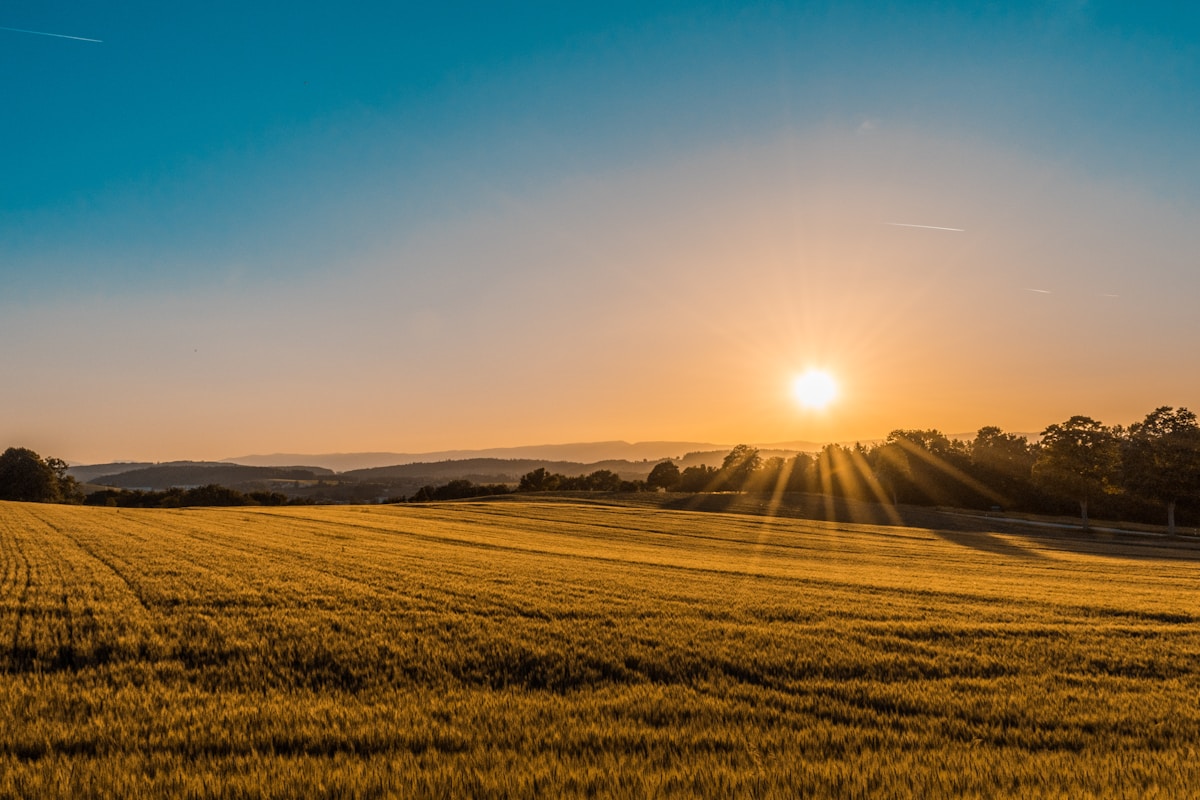
Everything's bigger in Texas — including the glamping. From the rolling hills and rivers of Hill Country to the stark beauty of Big Bend, the Lone Star State delivers world-class outdoor luxury at every price point.
Our Top Pick in Texas
Johnson City, TX
“The gold standard for luxury glamping in Texas Hill Country”
Texas isn’t the first state most people think of for glamping — but it should be. The sheer variety of landscapes, from the limestone cliffs and spring-fed rivers of Hill Country to the vast Chihuahuan Desert surrounding Big Bend, means there’s a completely different glamping experience depending on which direction you drive from Austin.
What really sets Texas apart is the year-round season. While glamping in Colorado or Montana shuts down by November, Texas properties run 12 months — with climate-controlled safari tents, heated yurts, and A/C that actually works in August. That matters when you’re planning a trip and don’t want to be locked into a narrow booking window.
The Texas glamping market has matured significantly over the past few years. What started as a handful of safari tent operations in Hill Country has expanded into a statewide network of properties spanning every accommodation type and price point. Major operators like Under Canvas, AutoCamp, and Collective Retreats have all entered the Texas market, drawn by the combination of year-round demand, strong domestic tourism, and proximity to major metro areas. At the same time, independent operators — many of them ranchers converting portions of their land into hospitality ventures — have created some of the state’s most distinctive stays. The result is a glamping scene that rivals California in variety and often beats it on value.
Texas also benefits from its sheer size. The state contains multiple distinct ecosystems, each offering a fundamentally different overnight experience. You can sleep under a canvas tent beside a Hill Country creek one weekend and spend the next in a geodesic dome staring at the Milky Way over the Chihuahuan Desert. That kind of range within a single state’s borders is rare, and it means repeat visitors rarely run out of new territory to explore.
If you only glamp in one region of Texas, make it Hill Country. The stretch between Austin and Fredericksburg has the highest concentration of luxury glamping resorts in the entire state — and some of the best in the country.
What makes it special: rolling limestone hills, crystal-clear rivers (the Pedernales, Blanco, and Guadalupe), 50+ wineries, and skies dark enough for serious stargazing. Most properties are 1-2 hours from Austin or San Antonio, making them perfect for a weekend escape without the hassle of a flight or a full day behind the wheel.
The town of Wimberley has become something of a glamping epicenter, with multiple properties clustered around the Blanco River and nearby swimming holes like Jacob’s Well and Blue Hole Regional Park. From here, you can spend your days floating the river, browsing the town square’s shops, and eating remarkably well for a town of 3,000 people.
Further west, the corridor between Johnson City and Fredericksburg offers a different flavor — more wine country than river town. The Fredericksburg area alone has over 50 tasting rooms, plus Enchanted Rock State Natural Area, where a moderate hike to the summit rewards you with 360-degree views of the surrounding hills. Book Enchanted Rock permits in advance; they sell out on weekends during spring and fall.
The Guadalupe River corridor near New Braunfels and Canyon Lake rounds out the Hill Country glamping scene. This is tubing and kayaking territory — the Guadalupe stays swimmable from May through September, and outfitters run shuttles from multiple access points. Properties here tend to skew more family-friendly and slightly more affordable than the Wimberley and Fredericksburg clusters.
Seasonally, Hill Country peaks hard in March and April (wildflower season) and again in October and November (ideal temperatures, fall foliage on the cypress trees). Summer is hot but manageable if your property has river access or a pool — the water is the whole point from June through August.
Top picks: Walden Retreats for luxury, The Yurtopian for couples, Lucky Arrow Retreat for budget-friendly stays, and Cypress Valley for treehouses.
For something completely different, head to Marfa and the Big Bend region. This is desert glamping — vast open spaces, impossibly dark skies, and a bohemian arts scene that feels more Santa Fe than San Antonio.
El Cosmico in Marfa is the iconic property here, with its mix of yurts, safari tents, and vintage trailers. It’s remote (3+ hours from the nearest major city), but that’s the point. Marfa itself is a fascinating contradiction — a tiny railroad town in the middle of nowhere that somehow supports world-class art galleries, the Chinati Foundation’s permanent installations, and restaurants that would hold their own in Austin.
Beyond Marfa, Big Bend National Park anchors the region’s outdoor appeal. The park offers everything from easy riverside walks along the Rio Grande to strenuous multi-day backpacking routes through the Chisos Mountains. The Santa Elena Canyon trail is a must — a short but dramatic hike into a 1,500-foot-deep limestone canyon. Several glamping operators have set up within an hour’s drive of the park’s western entrance, giving you a comfortable base for day trips into Big Bend without the spartan campground experience.
The Davis Mountains north of Marfa offer a cooler alternative in summer, with elevations above 5,000 feet keeping temperatures 10-15 degrees below the desert floor. The McDonald Observatory here hosts some of the best public stargazing programs in the country — their star parties on Tuesday, Friday, and Saturday evenings are worth planning a trip around.
West Texas is best visited from October through April, when daytime temperatures hover in the comfortable 60s and 70s. Summer is brutally hot at lower elevations, though the Davis Mountains remain pleasant. Be aware that this region requires real driving commitment — Marfa is about 3.5 hours from El Paso and nearly 6 hours from Austin.
Pine forests and lake country. Less glamorous than Hill Country but significantly cheaper, with properties near Sam Houston National Forest and lakes like Livingston and Conroe. Great for families who want nature without the luxury price tag.
The Piney Woods region stretching from Lufkin to Texarkana offers a version of Texas that surprises most visitors — dense forests of loblolly pine and hardwood, lazy creeks, and a pace of life that feels closer to the rural South than the Southwest. Glamping properties here tend toward rustic cabins and basic tent setups, though a handful of more polished operations have emerged around Lake Sam Rayburn and Toledo Bend Reservoir, both popular with anglers.
The town of Jefferson, near the Louisiana border, makes a charming base. It’s one of the oldest towns in Texas, with antebellum architecture, bayou boat tours, and a surprisingly active food scene for its size. Glamping near Jefferson puts you within striking distance of Caddo Lake, the only natural lake in Texas — a hauntingly beautiful landscape of bald cypress trees draped in Spanish moss.
East Texas is a four-season destination, though summers are humid. Spring and fall are ideal, and winter stays can be remarkably peaceful, with mild temperatures and bare-canopy views through the hardwood forest.
The newest glamping market, with properties popping up to serve the massive Dallas-Fort Worth metro. Still limited options, but growing fast. The demand is obvious — over 7 million people live in the DFW metroplex, and most are 3-4 hours from Hill Country. Properties within a 90-minute drive of Dallas are filling a real gap.
The terrain here is rolling prairie and post oak savanna — not as dramatic as Hill Country or the desert, but genuinely peaceful. Several operators have set up near Lake Texoma and in the countryside south of Waco, offering weekend escapes that don’t require burning a full day on I-35.
The backbone of Texas glamping. These are large canvas-walled structures — typically 300 to 500 square feet — set on raised wooden platforms with real beds, furniture, and often private bathrooms. The best ones, like those at Walden Retreats, feature king beds, rainfall showers, and climate control that keeps the interior comfortable even when it’s 102 degrees outside. Safari tents strike the ideal balance between feeling connected to the outdoors (you’ll hear every bird and breeze through the canvas) and sleeping in genuine comfort.
Circular, semi-permanent structures with a lattice frame and fabric walls. Yurts are naturally well-ventilated, which is a real advantage in Texas heat — the central roof opening creates a chimney effect that draws hot air upward. The Yurtopian in Wimberley is one of the best yurt properties in the state, with beautifully appointed interiors and a romantic Hill Country setting. Expect yurts to range from basic (shared bathrooms, no climate control) to fully outfitted with en-suite facilities and mini-split AC units.
The fastest-growing category in Texas glamping. Geodesic domes offer excellent structural stability against Texas wind, and transparent bubble domes are purpose-built for stargazing. West Texas properties have leaned hard into this format, capitalizing on the region’s Bortle Class 1 and 2 skies — some of the darkest in the continental United States. If stargazing is a priority, a clear dome in the Big Bend region is hard to beat. Just be aware that transparent domes can heat up quickly in direct sun, so most operators deploy shade covers during daytime hours.
A niche but beloved category, concentrated almost entirely in Hill Country. Cypress Valley near Spicewood is the state’s premier treehouse glamping destination, with multiple units suspended in old-growth cypress trees above a seasonal creek. Treehouses tend to be smaller than safari tents — cozy rather than spacious — and they book up fast. If you have your eye on a specific treehouse property, reserve at least two to three months ahead for weekend stays.
Particularly popular in West Texas, where the retro aesthetic fits the landscape perfectly. El Cosmico helped pioneer this format in Marfa, and the style has spread. Restored Airstreams and vintage trailers offer a self-contained experience with a distinctive visual character. They tend to be more compact than safari tents, so they work best for couples or solo travelers rather than families.
January-February: The quietest months at most properties. Hill Country temperatures sit in the 40s to 60s — cool enough for campfires, warm enough for daytime hiking. West Texas can dip below freezing at night, so check that your accommodation has adequate heating. The upside: the lowest prices of the year and near-instant availability everywhere.
March: Spring arrives early in Texas. Wildflowers begin blooming in Hill Country, starting with bluebonnets along roadsides and in open meadows. Temperatures climb into the 70s. This is the start of peak season — book at least six to eight weeks ahead for popular properties.
April: Peak wildflower season and arguably the single best month for glamping in Texas. Daytime highs in the mid-70s to low 80s, cool nights, and landscapes saturated with color. Every Hill Country property will be at or near capacity on weekends. Weekday visits are your best bet for availability and lower rates.
May: Still comfortable, though humidity starts building in East Texas. Hill Country and West Texas remain excellent. The Guadalupe and Blanco rivers are warming up enough for swimming. Late May marks the start of summer pricing at many resorts.
June-August: Hot. Daytime highs regularly exceed 100 degrees in most of the state. This doesn’t mean glamping is off the table — climate-controlled tents, river access, and swimming pools make it work — but you need to plan around the heat. Morning and evening activities, midday rest. West Texas at lower elevations is particularly brutal; the Davis Mountains are a welcome exception. Properties with direct river or lake access become essential rather than optional.
September: Still hot in the first half, but the second half of the month brings the first hints of relief. Crowds thin out after Labor Day, and rates drop. A smart time to book if you can handle lingering warmth.
October: The other peak month. Temperatures settle into the perfect 70s and 80s, humidity drops, and the bald cypress trees along Hill Country rivers turn golden and rust-colored. Second only to April in popularity, so book early.
November: Underrated. Warm days in the 60s and 70s, crisp nights ideal for stargazing, and significantly fewer visitors than October. Thanksgiving week is an exception — that books up fast.
December: Holiday travel drives a brief spike in demand, particularly at family-friendly properties. Otherwise, December is quiet and affordable. Heated tents and yurts with fireplaces make for a genuinely cozy winter glamping experience.
Texas glamping spans a wide range:
Most Texas glamping is tent-based (luxury safari/canvas tents), followed by yurts, domes, and treehouses. The dome trend is growing fast — expect more stargazing bubble domes in the next year.
With dozens of properties across the state, narrowing down your options comes down to three factors: who you’re traveling with, what you want to spend, and how far you’re willing to drive.
If you’re working within a tight budget, start with East Texas and the more basic Hill Country properties. Lucky Arrow Retreat in Dripping Springs consistently offers one of the best value propositions in the state — clean, well-maintained accommodations in a prime Hill Country location without the luxury markup. Weekday rates at mid-range properties also frequently drop into budget territory, so consider a Monday-through-Thursday trip if your schedule allows.
For a mid-range trip, Hill Country safari tents and yurts hit the sweet spot. You get climate control, private bathrooms, and a beautiful setting without the concierge pricing. Most couples spending $200 to $300 per night in Hill Country leave feeling they got excellent value.
If budget is no object, Walden Retreats and Collective Hill Country deliver a full luxury experience — think farm-to-table dining, spa services, and tents appointed like boutique hotel rooms. At this tier, you’re paying for service and atmosphere as much as the accommodation itself.
Couples: The Yurtopian is purpose-built for romantic getaways, and many Hill Country properties cater explicitly to couples with adults-only policies and intimate settings. West Texas also works beautifully for couples who want a more adventurous trip — a weekend in Marfa combining art, dining, and desert stargazing is a legitimately memorable date.
Families with kids: Look for properties with swimming access, open space to run around, and a relaxed pet and noise policy. The Guadalupe River corridor and East Texas lake properties tend to be the most family-welcoming. Avoid adults-only luxury properties — some Hill Country resorts don’t accommodate children under 12.
Groups and friend trips: Larger properties with multiple units and communal gathering spaces work best. Several Hill Country operations offer packages for groups of 8 to 16, with shared firepits, outdoor kitchens, and enough tents to keep everyone comfortable without being on top of each other.
Solo travelers: West Texas is exceptional for solo trips. The solitude of the desert, combined with the cultural richness of Marfa, creates an experience that actually improves without the distraction of group dynamics. El Cosmico in particular draws a creative, independent-minded crowd that makes solo travel feel natural rather than conspicuous.
The decision often comes down to convenience versus remoteness. If you’re flying into Austin or San Antonio, Hill Country properties are the obvious choice — many are under 90 minutes from the airport. If you’re based in Dallas, look north toward Lake Texoma or south toward Waco. If you want genuine wilderness and don’t mind a long drive, West Texas rewards the effort with landscapes and night skies you simply cannot find closer to civilization.
Every major glamping state has its strengths, and knowing how Texas compares helps you decide whether the Lone Star State is right for your next trip — or whether you should look elsewhere.
Compared to California, Texas offers significantly better value. A luxury safari tent in Hill Country that runs $300 per night would cost $450 to $550 at a comparable property near Big Sur or Yosemite. California wins on sheer natural spectacle — the Pacific coastline and Sierra Nevada are hard to match — but Texas beats it on affordability, availability, and the year-round season.
Against Colorado, the contrast is seasonal. Colorado glamping is exceptional from June through September, when alpine meadows and mountain backdrops create some of the most beautiful settings in the country. But the window is narrow, and high-altitude properties close for winter. Texas gives you 12 months of access and a wider range of landscapes, though it lacks Colorado’s dramatic vertical terrain.
Arizona is the closest competitor in terms of climate and desert appeal. Both states offer outstanding stargazing and desert glamping, and Arizona’s proximity to the Grand Canyon and Sedona gives it a strong draw. But Texas edges ahead on diversity — you can do desert one trip and lush river country the next, all within the same state. Arizona’s landscape, while stunning, doesn’t offer that range.
The southeastern states — Florida, Georgia, North Carolina, Virginia — bring forests, mountains, and coastal settings that Texas lacks. If you want oceanfront glamping or Blue Ridge Mountain views, Texas is not your answer. But for wide-open spaces, dark skies, and a food and drink scene that rivals any glamping region in the country, Texas stands alone.
Ultimately, what makes Texas different is the combination of scale, variety, value, and year-round access. No other state offers this many distinct glamping experiences across this many landscapes at prices that remain reasonable even at the luxury end. Whether you’re planning your first glamping trip or your tenth, Texas belongs on the short list.


